

Grow Where Nature and Market Access Meet
Overview of Jordan's Agriculture Sector
Jordan’s agricultural sector remains a cornerstone of national economic development and food security. It continues to thrive, with approximately 27% of production geared toward exports and 52% of agricultural inputs sourced locally reducing import dependency and strengthening self-sufficiency.
In 2022, Jordan ranked 47th on the Global Food Security Index, and under the Economic Modernization Vision (EMV), targeted initiatives aim to improve this standing. These efforts reflect the country’s commitment to sustainability, innovation, and strengthening local value chains. The sector’s resilience and steady growth reinforce its vital role in driving economic expansion and enhancing Jordan’s competitiveness in global markets.
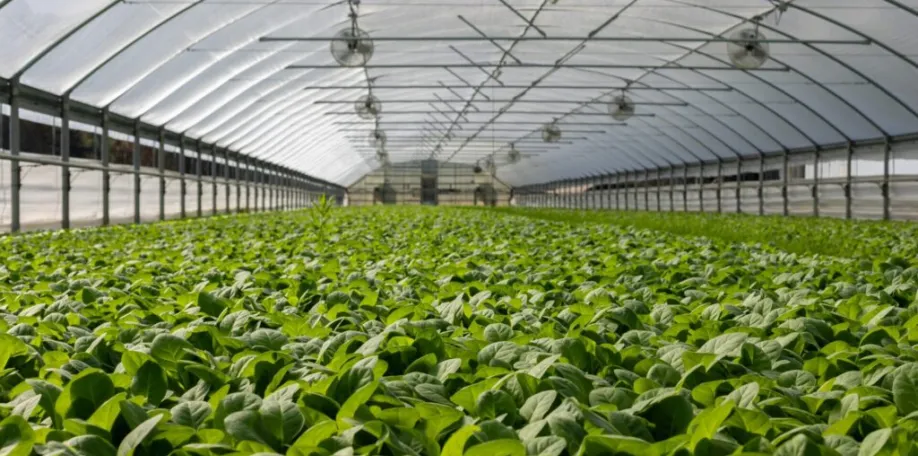
Diverse Climate Advantage
Jordan enjoys four distinct seasons an important advantage that enables a wide range of crops and extended growing cycles throughout the year
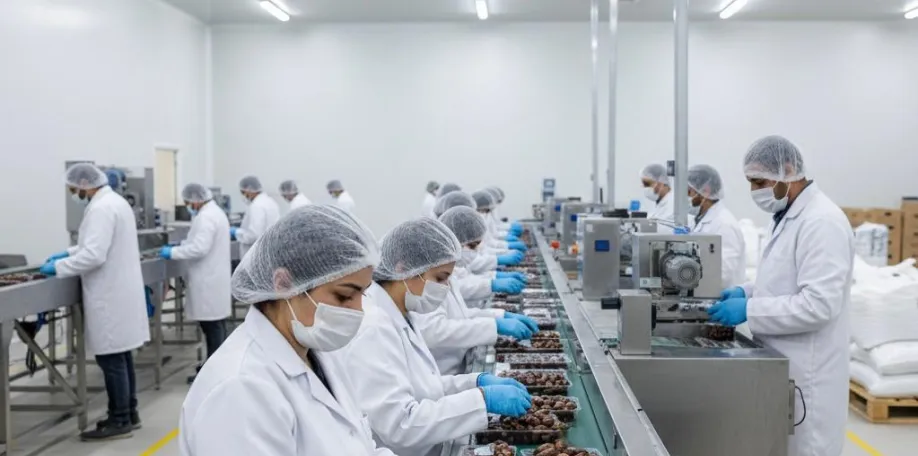
Strong Export Growth
The sector experienced 39% export growth in 2024, rising from USD 1.5 billion in 2023 to over USD 2 billion
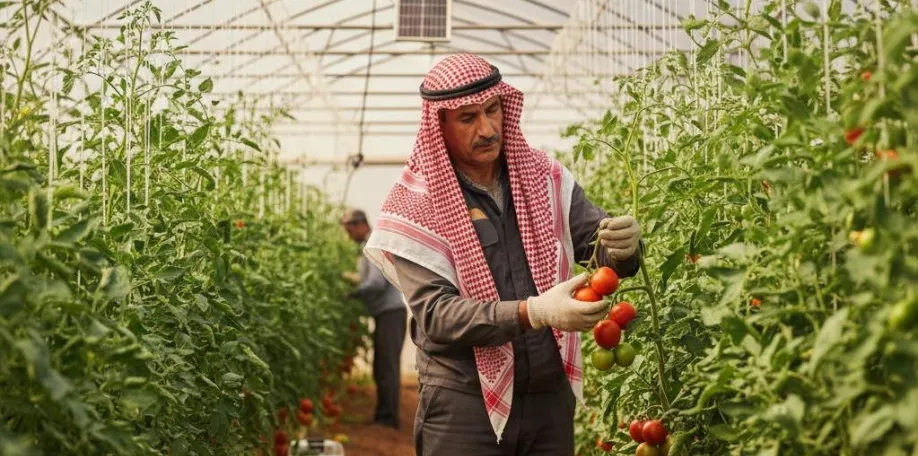
High Local Input Sourcing
52% of production inputs are sourced locally, with agricultural imports dropping by 10.4% in 2023, strengthening resilience and reducing import dependency
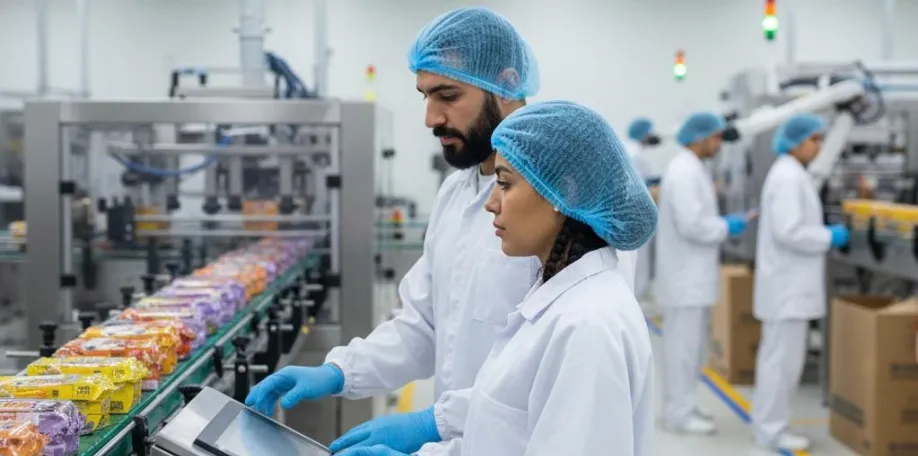
Global Market Access
Jordanian fruits and vegetables are exported to over 60 countries
including the GCC and Europe through leading retailers like Lulu,
Waitrose, and Tesco
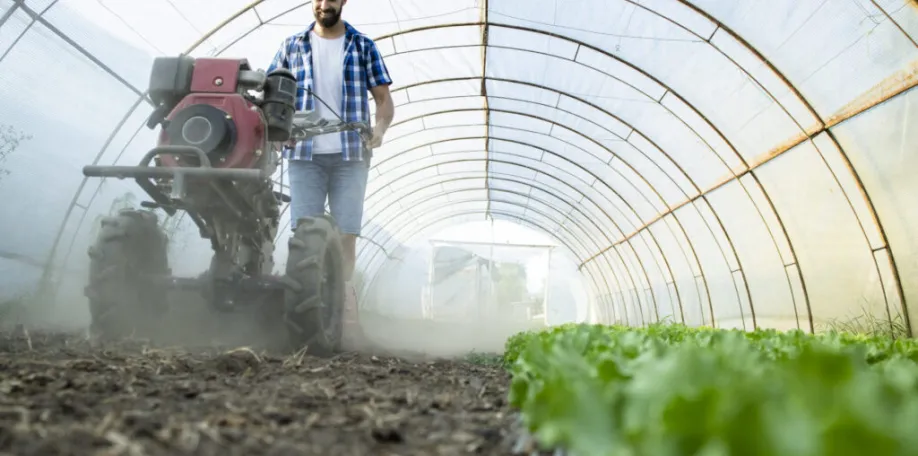
Innovation in Sustainable Farming
The Agricultural Research Center has made major strides in sustainable
farming establishing a National Seed Bank, improving crop varieties, and advancing aquaponics, hydroponics, and climate resilient wheat and barley
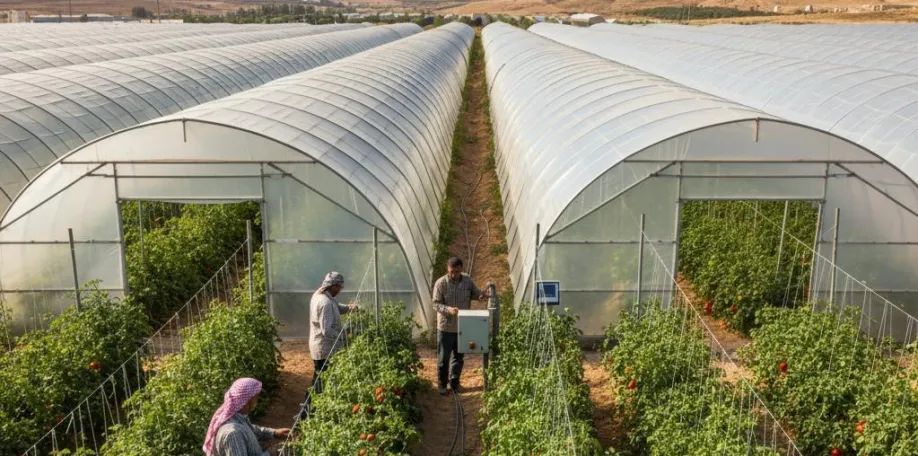
Agro-Industrial Ecosystem
Jordan currently supports 16 operational agro-industrial facilities.
These include pesticide and fertilizer plants, advanced agricultural tech factories, irrigation equipment operations, and processing units for export and domestic consumption
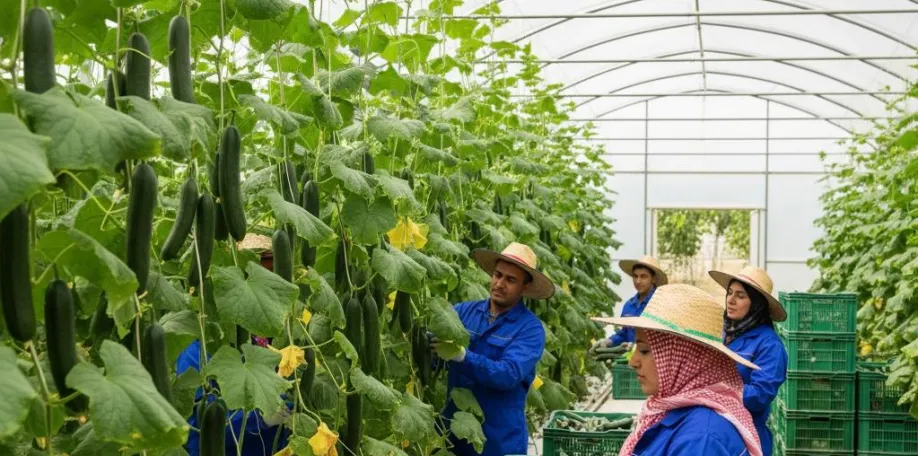
Competitive Food Security Ranking
Jordan ranks 47th globally on the Global Food Security Index (2022), outperforming countries like Turkey, Morocco, and Egypt, and continues to advance under the Economic Modernization Vision
Industrial Uses of Key Minerals
-
Limestone
Metallurgy
Chemical Industries
Filler -
Silica Sand
Glassmaking
Ceramics
Water Filtration -
Kaolin
Ceramics
Paper Coating
Industrial Products -
Diatomite
Filtration
Absorption
Mild Abrasive -
Feldspar
Glass and ceramics
-
Dolomite
Agriculture
Cement
Ceramics -
Basalt
Strength and Heat Resistance
Various Industrial Applications -
Oil Shale
Potential for synthetic oil or electricity production
Insights Table
High-Potential Investment Projects in Agriculture Sector
Jordan presents high-potential investment opportunities across the agriculture sector:
-
High-Value Crop Production:
Focus on premium exports such as dates, citrus, and tomatoes.
-
Organic Farming & Specialty Agriculture:
Expand production of high-demand organic and niche crops for regional and global markets.
-
Soilless Farming:
Invest in hydroponic and aquaponic systems to maximize efficiency and output in limited arable land.
-
Greenhouse & Controlled Environment Agriculture:
Develop climate-resilient, high-yield facilities to ensure year-round productivity.
-
Agro-Processing & Packaged Food Exports:
Tap into growing global demand for value-added food products derived from local crops.
-
Water-Efficient Irrigation & AgriTech Solutions:
Leverage cutting-edge technologies to optimize water use and boost productivity in arid conditions.